Packaging is the first handshake a customer has with your product. It promises quality, protects the contents, and tells a story. Yet, designing a package that works for one category—say, a snack bar—doesn’t automatically translate to a skincare cream or a power‑tool. Understanding how to manage packaging design for different product categories is the secret sauce that turns a good brand into a great one. In this guide we’ll walk through the essentials, sprinkle in a light‑hearted anecdote, and leave you with a clear action plan that feels as satisfying as unwrapping a fresh chocolate bar.
Understanding the Landscape
Before you sketch the first line, you need to map the terrain. Think of your product as a traveler and the packaging as the passport—different destinations require different visas.
Identify Product Characteristics
- Physical form: Is it a fragile gadget, a liquid serum, or a bulk commodity? Shelf life: Perishable goods need moisture‑barrier layers; tech can endure longer. Regulatory constraints: Food, cosmetics, and electronics all have distinct labeling rules.
Market Positioning
- Premium vs. budget: Luxury items often use matte finishes and minimal graphics; mass‑market products rely on bold colors to stand out. Target demographic: Younger consumers gravitate toward eco‑friendly, minimalist designs, while older buyers may prefer clear, easy‑to‑read labels.
Core Principles of Packaging Design
Once you’ve mapped the terrain, apply the universal rules that keep your packaging both functional and eye‑catching.
Functionality First
A package should protect the product, be easy to open, and fit the logistics chain. Remember, a well‑designed box can reduce shipping damage by up to 30%.
Brand Cohesion
Your packaging must echo the brand’s voice. Use consistent colors, fonts, and imagery. A single misplaced logo can feel like a typo in a headline—unacceptable.
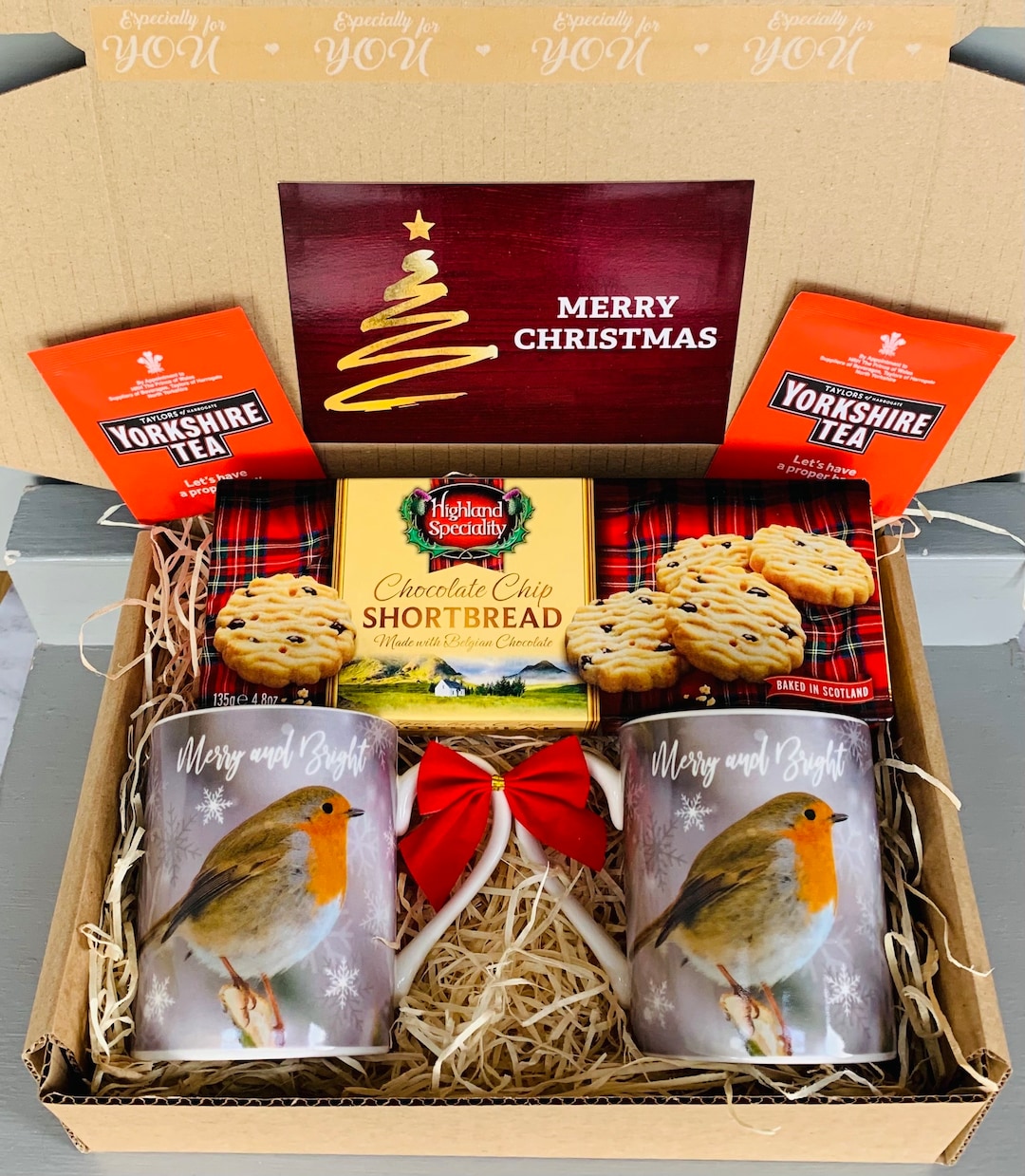
Sustainability Considerations
Consumers increasingly demand eco‑friendly options. Options include:
- Recycled materials: Post‑consumer paper or PET. Biodegradable inks: Plant‑based dyes reduce chemical runoff. Minimalist design: Less material equals lower carbon footprint.
Category‑Specific Strategies
Different product categories have their own quirks. Below are tailored approaches for four common types.
Food & Beverage
- Barrier layers: Protect against moisture and oxygen. Clear windows: Show the product without opening the pack. Compliance: Nutrition facts, allergen warnings, and expiration dates must be legible.
Cosmetics & Personal Care
- Luxury feel: Matte textures, embossed logos, and soft-touch coatings. Tamper‑evidence: Seal integrity is critical for trust. Fragrance cues: Use scent‑releasing liners for a multisensory experience.
Electronics & Tech
- Durability: Shock‑absorbent foam and sturdy outer shells. User instructions: Easy‑to‑read quick‑start guides. Brand identity: Sleek, minimalistic designs that reflect innovation.
Household & Cleaning
- Safety: Child‑proof caps and clear hazard symbols. Visibility: Bright colors for quick identification. Reusability: Offer containers that can be repurposed, boosting perceived value.
The Design Process Workflow
A disciplined workflow keeps the project on track and reduces costly revisions.

Research & Ideation
- Conduct competitor analysis. Gather consumer insights via surveys or focus groups. Sketch multiple concepts—quantity beats perfection.
Prototyping & Testing
- Create physical mock‑ups. Test for durability, usability, and visual appeal. Gather feedback from a small focus group.
Final Production
- Finalize diel cuts and artwork files. Verify compliance with regulatory standards. Coordinate with suppliers for material sourcing.
Common Pitfalls and How to Avoid Them
Even seasoned designers stumble. Recognize these traps early.
Overcomplicating the Design
A maze of colors and fonts can confuse shoppers. Stick to a maximum of two primary colors and one secondary accent.
Ignoring Regulatory Requirements
Missing a required label can lead to recalls. Double‑check local regulations before finalizing.
Neglecting Shelf Impact
A package that looks great in the office may flop on a supermarket shelf. Simulate shelf conditions and Visit the website test visibility from a distance.
Packaging Mastery: Your Final Step
Now that you’ve navigated the terrain, applied the core principles, tailored strategies, and avoided pitfalls, it’s time to put everything together. Think of packaging as a living organism: it must adapt to its environment, communicate its purpose, and protect its life inside.
- Audit your current designs: Identify gaps and opportunities. Set clear objectives: Define what success looks like—sales lift, brand perception, or sustainability metrics. Iterate relentlessly: Use data from sales and customer feedback to refine.
“Design is not just what it looks like and feels like. Design is how it works.” — Steve Jobs
Take that wisdom to heart: the best packaging is the one that works seamlessly from the factory floor to the consumer’s hands. If you’re ready to elevate your product’s first impression, start by asking: What story does your packaging tell, and does it resonate with the right audience? The answer will guide you to a design that not only sells but also endures.
Ready to transform your packaging strategy? Reach out to a design partner who understands the nuances of each product category, and let them help you turn your vision into a tangible, profitable reality.